Markets · Analysis
How is blockchain used in energy trading?
Blockchain enables peer-to-peer energy trading by creating transparent, automated transaction records that reduce intermediaries and increase settlement speed.
Energy Standard Editorial TeamApril 18, 2026
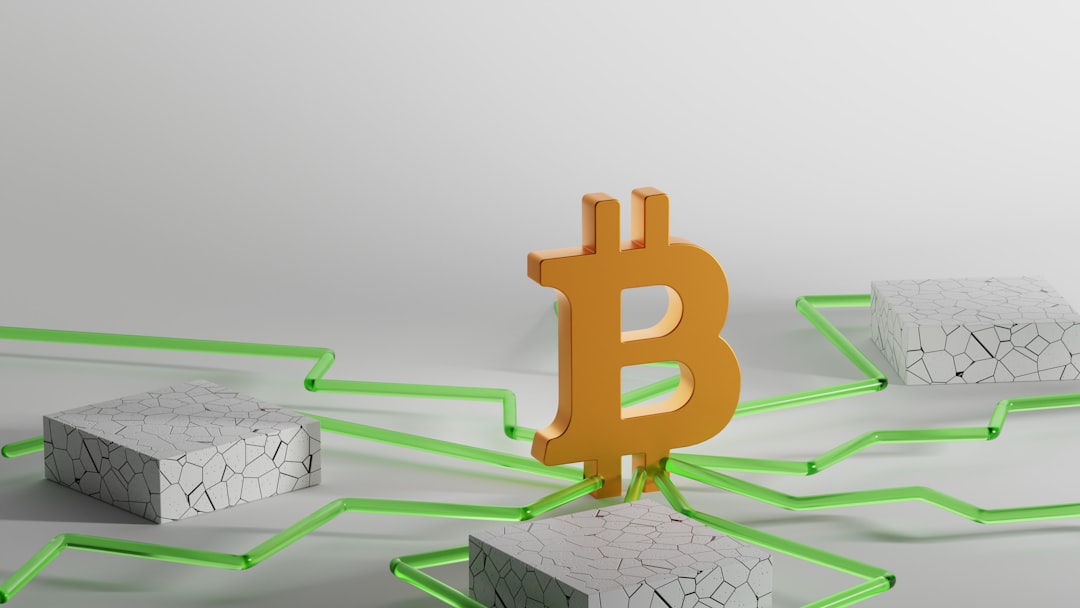
Blockchain technology is being applied to energy trading to create transparent, decentralized systems where buyers and sellers can transact directly with minimal intermediaries. By recording transactions on a distributed ledger, blockchain removes the need for centralized clearinghouses and enables near-instantaneous settlement of energy trades—a significant shift from traditional wholesale markets that can take days to settle.
Key Points
- Blockchain creates an immutable record of energy transactions, reducing disputes and fraud
- Smart contracts automate trade execution and settlement without intermediaries
- Peer-to-peer energy trading becomes possible when buyers and sellers can verify transactions directly
- Transaction costs decrease by eliminating middlemen in the trading process
- Real-time settlement is possible because blockchain doesn't require a central authority to verify trades
Understanding Blockchain in Energy Trading
Traditional energy markets rely on centralized exchanges and clearinghouses to match buyers and sellers, verify creditworthiness, and settle transactions. These intermediaries add cost and time to the process. A utility buying power from a generator, for example, might wait days for settlement while the clearinghouse confirms both parties can complete the transaction.
Blockchain changes this model by creating a shared, transparent ledger that all participants can access and verify. Instead of trusting a central authority, network participants collectively validate transactions using cryptographic algorithms. This distributed verification means no single entity controls the system, and no participant can falsify records without detection.
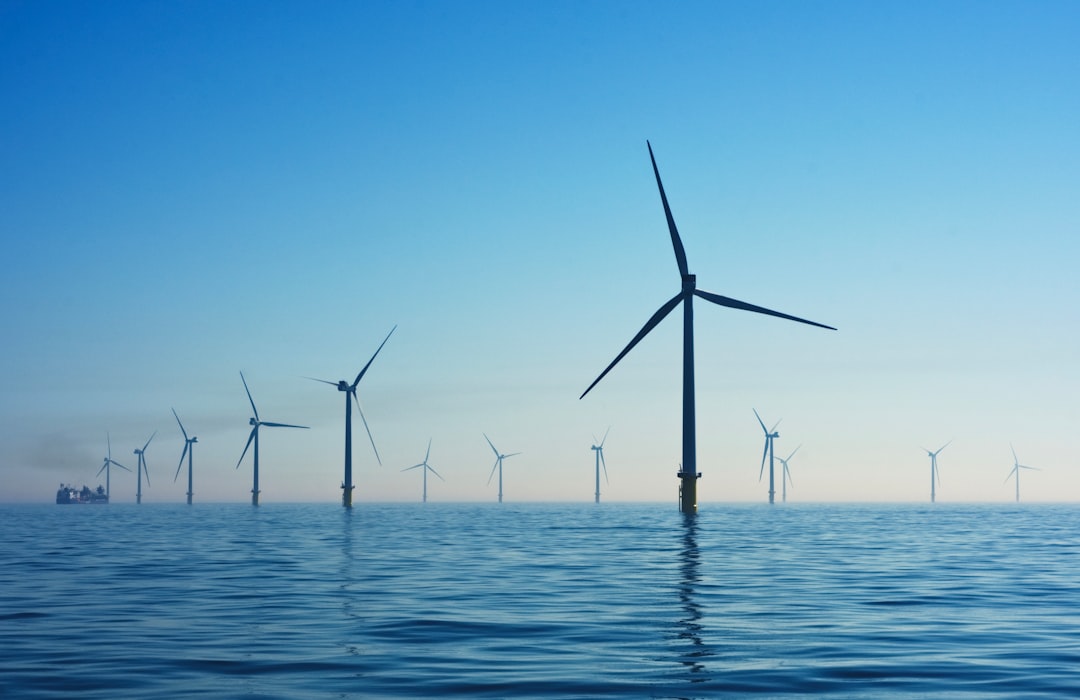
In energy trading specifically, blockchain enables several new capabilities. It can record the origin and characteristics of electricity (including whether it comes from renewable sources), track ownership as power changes hands, and automatically execute trades when conditions are met. This is particularly valuable for renewable energy, where buyers increasingly want proof that electricity comes from specific sources.
How It Works
1. Transaction Initiation
A buyer and seller agree to trade energy at a specific price and quantity. Instead of submitting this trade to a centralized exchange, they record it on a blockchain network. The transaction includes details like the amount of energy, price, delivery time, and any special conditions (such as renewable energy certification).
2. Smart Contract Execution
A smart contract—self-executing code stored on the blockchain—automatically enforces the trade terms. When conditions are met (for example, when the delivery period begins), the contract executes without requiring manual intervention. If the seller delivers the agreed-upon amount of energy and the buyer has sufficient funds, the contract transfers payment and updates ownership records automatically.
3. Network Validation
The blockchain network validates the transaction through a consensus mechanism. Participating nodes verify that the seller actually owns the energy being sold and that the buyer has adequate payment. This validation happens in minutes rather than days, because it doesn't require a centralized authority to check creditworthiness or account balances.
4. Immutable Recording
Once validated, the transaction is recorded in a block and added to the chain of previous transactions. This record cannot be altered retroactively without changing every subsequent block—a task that would require controlling the majority of the network. This immutability creates a permanent, transparent audit trail.
5. Settlement and Delivery
Payment and energy delivery occur simultaneously or nearly so. Because the smart contract controls both the financial transfer and the energy transfer instructions, settlement happens automatically without intermediaries. The buyer receives proof of ownership, and the seller receives payment in real time.
Why It Matters
Blockchain addresses several persistent challenges in energy trading. First, it reduces costs by eliminating intermediaries. Traditional clearinghouses charge fees for their services; blockchain networks can operate with significantly lower overhead. Second, it accelerates settlement. Energy traders can complete transactions in hours or minutes rather than days, improving cash flow and reducing counterparty risk.
More importantly, blockchain enables new market structures that weren't previously practical. Peer-to-peer energy trading—where homeowners with rooftop solar panels can sell excess electricity directly to neighbors—becomes feasible when transactions can be verified and settled without a centralized authority. This democratizes energy markets and allows smaller participants to compete alongside utilities and large generators.
Blockchain also creates transparency that benefits renewable energy markets. By recording the source and characteristics of electricity on an immutable ledger, it provides verifiable proof that energy comes from wind, solar, or other renewable sources. This addresses a key challenge in renewable energy trading: buyers want assurance that they're actually purchasing clean energy, not just financial instruments that claim to represent it.
Related Terms
- Smart Contract: Self-executing code that automatically enforces trade terms when conditions are met, eliminating the need for intermediaries to verify compliance
- Distributed Ledger: A database shared across multiple computers where each participant maintains an identical copy, ensuring no single entity controls the records
- Peer-to-Peer Trading: Direct transactions between buyers and sellers without intermediaries, enabled by blockchain's ability to verify and settle trades automatically
- Consensus Mechanism: The process by which blockchain network participants collectively validate transactions and agree on the ledger's accuracy
- Immutability: The property that blockchain records cannot be altered retroactively without detection, creating a permanent audit trail
Frequently Asked Questions
Can blockchain handle the speed required for real-time energy markets?
Most blockchain networks process transactions in minutes to hours, which is faster than traditional settlement but slower than real-time grid operations. Current applications focus on wholesale energy trading and peer-to-peer markets where near-instantaneous settlement is acceptable. For millisecond-level grid operations, blockchain is typically used alongside traditional systems rather than replacing them entirely.
Does blockchain reduce energy trading costs?
Yes, by eliminating intermediaries and automating settlement through smart contracts. However, blockchain networks themselves consume computational resources. The cost savings depend on the specific network design—some use energy-intensive consensus mechanisms, while others use more efficient alternatives. The net cost reduction varies by application.
How does blockchain verify that renewable energy is actually renewable?
Blockchain records the source of energy when it enters the system, creating an immutable record of its origin. However, blockchain itself doesn't measure whether electricity is renewable—that requires physical metering and monitoring. Blockchain's role is to create a tamper-proof record of claims made by generators and verified by independent auditors or grid operators.
What prevents someone from creating fraudulent transactions on a blockchain?
Blockchain networks use cryptographic signatures to prove that only the owner of an asset can authorize its transfer. Additionally, the consensus mechanism requires the majority of network participants to validate each transaction. Fraudulent transactions would be rejected by the network before being recorded.
Last updated: April 18, 2026. For the latest energy news and analysis, visit energystandard.io.