Oil & Gas · Analysis
Oil Markets Whipsaw as Iran Tensions Reignite Strait of Hormuz Crisis
After a brief moment of relief, crude prices surge again as the U.S. seizes an Iranian vessel and Tehran reasserts control over the critical shipping chokepoint, threatening to prolong one of history's worst energy supply disruptions.
Energy Standard Editorial TeamApril 20, 2026
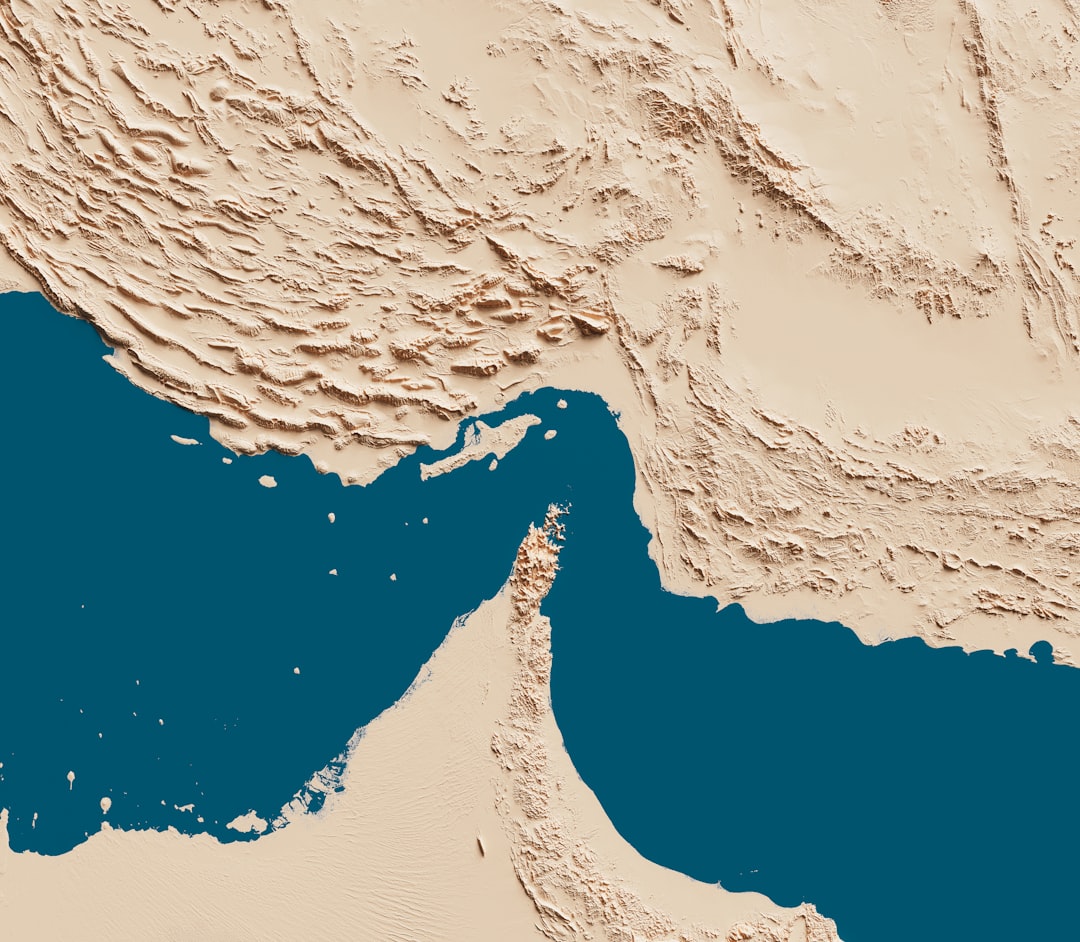
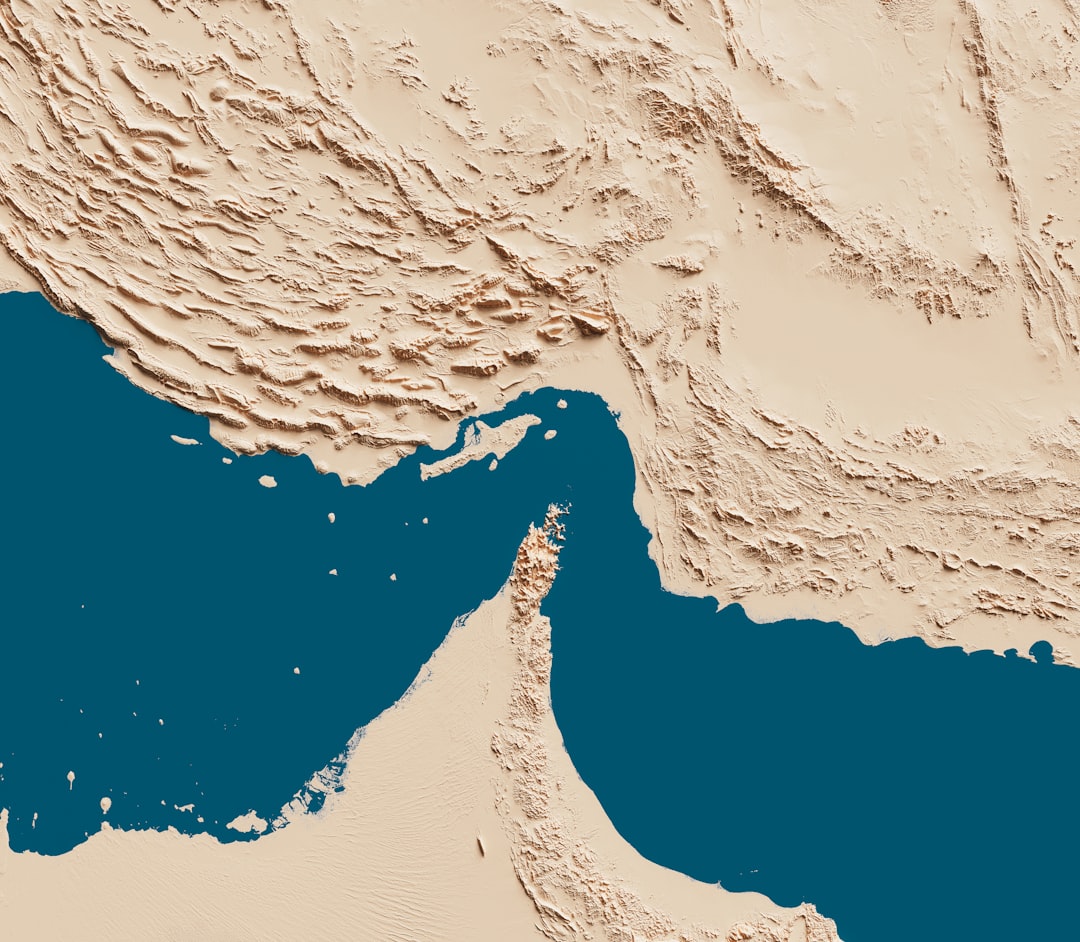
Oil prices climbed Sunday after Iran once again blocked the passage of most ships through the Strait of Hormuz, a key waterway for one-fifth of the world's crude, renewing fears that the war will be long-lasting. Brent crude, the international benchmark, was up about 7% to $96.88, after settling on Friday at its lowest level since March 10 on news Iran would re-open the strait, while US crude was up 7% to $90.33.
The dramatic reversal underscores just how fragile the current energy situation has become. U.S. crude oil plunged 11.4% to $83.85 per barrel, its lowest level since March 10, while international Brent crude slid 9% to $90.38 per barrel on Friday—the second largest one-day drop since the war began for both benchmarks. That optimism evaporated almost immediately. Iran declared the strait open for commercial vessels Friday—which sent oil prices plummeting 11%—but then walked back the statement over the weekend as it accused the U.S. of only "partially implementing the ceasefire," declaring the strait closed again, and dozens of commercial ships that tried to exit the strait turned back around and remain trapped west of the crucial passage.
The Seizure That Changed Everything
The rally followed remarks from President Donald Trump that the US Navy fired on and seized an Iranian-flagged cargo vessel in the Gulf of Oman after it ignored orders to stop while exiting Hormuz. Shipping giant CMA CGM said one of its ships came under fire Saturday, with a spokesperson telling NBC News on Sunday that "CMA CGM confirms that one of its vessels was the subject of warning shots yesterday. The crew is safe and unharmed."
The incident marks a critical escalation. A fragile, two-week ceasefire between the U.S. and Iran is set to expire Wednesday, while escalating tensions in the Strait of Hormuz puts the fate of new talks to end the war into question. Even if a lasting deal to reopen the Strait of Hormuz emerges, analysts say it could take months for oil shipments to return to normal levels and for fuel prices to go down.
The Pricing Problem Nobody Expected
Beyond the headline price moves, the crisis is creating a more insidious problem: Abu Dhabi National Oil Company CEO Sultan Al Jaber said that the strait was still not open, despite the Iran war ceasefire, because Iran is restricting and conditioning traffic, with 230 loaded oil tankers waiting inside the Gulf. In early April, shipments through the Strait remained severely restricted, with loadings of crude, natural gas liquids and refined products averaging around 3.8 mb/d, compared with more than 20 mb/d in February ahead of the crisis.
The situation has created what industry observers describe as a pricing nightmare. The shipping crisis in the Strait of Hormuz is now "the largest supply disruption in the history of the global oil market", according to the head of the International Energy Agency, Fatih Birol. The restriction of shipments by more than 90% (around 10 million barrels per day of oil production) raised energy and agricultural input costs worldwide, with roughly 20% of the world's oil and natural gas normally passing through the strait, and the disruptions causing Brent crude prices to jump 10–13% in early trading, with analysts warning they could reach $100 per barrel or higher if disruptions persist.
Natural Gas Remains Insulated—For Now
While crude oil dominates headlines, natural gas markets tell a different story. Natural gas rose to 2.71 USD/MMBtu on April 20, 2026, up 1.48% from the previous day, though over the past month, Natural gas's price has fallen 6.13%, and is down 10.02% compared to the same time last year. US natural gas prices remain largely insulated from Middle Eastern supply risks, amid near-record domestic production, comfortable storage levels, and constraints on LNG export capacity.
However, U.S. average gasoline prices may not return to pre-Iran war levels under $3-per-gallon until next year, Energy Secretary Chris Wright said Sunday morning. The disconnect between crude and refined products reflects the real bottleneck: While crude oil futures have remained well below their peaks, prices for refined fuels like diesel and jet fuel have rocketed in recent weeks — at times topping $200 and offering the first glimpses of demand destruction in Asian markets which rely heavily on both crude oil and liquified petroleum gas shipped through the Strait of Hormuz.
The Broader Economic Shadow
Fourth-quarter-over-fourth-quarter global real GDP growth in 2026 could fall 0.2 percentage points if the oil supply disruption remains limited to one quarter or 0.3 percentage points if it lasts two quarters, with the reduction increasing to 1.3 percentage points if the disruption persists for three quarters.
Beyond energy, the conflict is disrupting key non-oil commodities – like methanol, aluminium, sulfur and graphite – impacting global manufacturing and the green energy transition, with disruptions to these industrial essentials rapidly reshaping global supply chains – from fertilizers for future harvests to minerals driving high-tech industries.
The coming days will be critical. While momentum toward a lasting peace had been building late last week, uncertainty has since resurfaced, even as Trump said US negotiators would head to Pakistan on Monday for another round of talks. Until the Strait of Hormuz truly reopens—and stays open—energy markets will remain hostage to geopolitical developments that traders can neither predict nor control.
Reporting based on coverage from Reuters, CNN Business, Axios, Bloomberg, S&P Global, the International Energy Agency, the Dallas Federal Reserve, and market data from Trading Economics and Polygon.io.