Technology · Analysis
Finland's Nuclear Waste Breakthrough Signals Shift in Global Energy Strategy
As Finland prepares to open the world's first permanent nuclear waste repository, the move reflects a broader global pivot toward nuclear energy amid AI-driven demand and climate pressures.
Energy Standard Editorial TeamApril 14, 2026
Finland is about to make history. According to OilPrice.com, the country is on the verge of opening the world's first permanent nuclear waste site—a milestone that underscores a fundamental shift in how the world is approaching its energy future.
The timing is significant. OilPrice.com notes that nuclear energy is experiencing a resurgence in popularity globally, driven by a combination of energy security concerns and an unexpected culprit: the AI boom. The artificial intelligence surge has dramatically ramped up energy demand projections worldwide, even as climate pledges inch closer with "perilously little progress to show," according to OilPrice.com's analysis. Add in the current cycle of energy crises and geopolitical conflict, and you've got what the outlet describes as a "majorly heightened energy trilemma"—the challenge of sourcing energy that is simultaneously secure, affordable, and clean.
Finland's decision to move forward with permanent nuclear waste storage suggests that policymakers are increasingly viewing nuclear as part of the solution to this trilemma, not the problem.
The Middle East Crisis Reshapes Energy Markets
The urgency behind this energy reckoning became painfully clear this week. Global oil production has been slashed by as much as 11 million barrels daily amid the Middle East war, according to OilPrice.com. The disruption extends far beyond crude—Japan now risks a summer power crunch due to Middle East LNG disruptions, according to a Reuters report citing an analyst from the Institute of Energy Economics Japan (IEEJ).
The supply shock is expected to linger. According to OilPrice.com, even in the best-case scenario where a ceasefire takes hold tomorrow and the Strait of Hormuz reopens, "markets will not return to normal for at least six months," according to Rystad Energy's head of geopolitical analysis quoted by the outlet.
The geopolitical instability is forcing governments to rethink their energy strategies. OilPrice.com reported that China has turned to Central Asia to mitigate Middle East oil supply risk, as the war has caused "significant disruptions at critical chokepoints like the Strait of Hormuz," forcing governments to "urgently secure alternative supply sources and reevaluate supply chain resilience."
Renewable Energy Gains Ground Amid Crisis
Against this backdrop of fossil fuel volatility, renewable energy projects continue advancing. According to Reuters headlines referenced in premium coverage, India's top solar state has renewable projects of about 60 GW awaiting transmission links, suggesting substantial pipeline momentum in one of the world's largest energy markets. Meanwhile, Reuters reported that record wind output helped shield the UK from the worst of Iran war fallout, demonstrating renewables' growing role in energy security.
The renewable sector is also seeing significant corporate moves. Reuters reported that Equinor is selling a $169 million stake in solar firm Scatec, with the Norwegian energy company aiming to sell an 8% stake in the renewables developer. According to Recharge News, this move reflects Equinor's broader shift away from renewables focus.
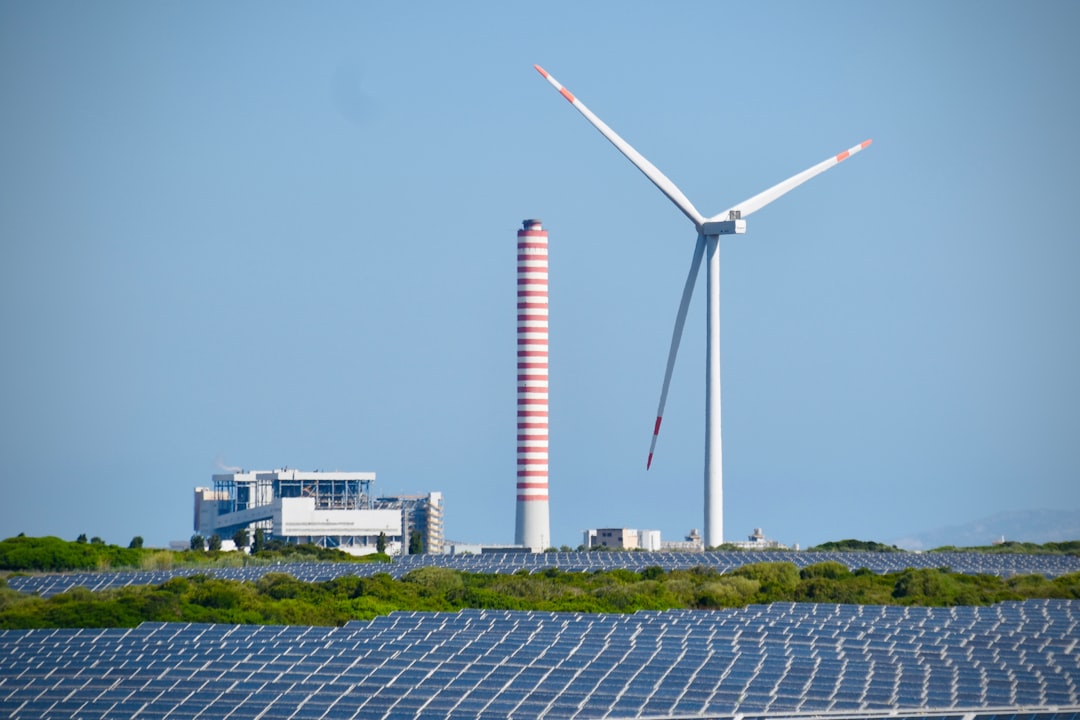
On the wind front, Recharge News reported that the world's largest wind plus solar plant is now pumping power, marking a milestone in hybrid renewable deployment. However, the sector faces headwinds—Recharge News noted that Nordex Q1 wind turbine orders fell while prices rose slightly, suggesting market pressures even as demand for clean energy intensifies.
The Energy Trilemma Intensifies
What emerges from this week's developments is a clearer picture of the energy landscape's evolution. The Middle East crisis has exposed vulnerabilities in fossil fuel-dependent systems, while simultaneously demonstrating that renewables alone cannot yet shoulder the full load—particularly as AI energy demands surge.
Finland's nuclear waste repository represents a pragmatic acknowledgment: solving the energy trilemma likely requires multiple solutions working in concert. Nuclear provides baseload power without carbon emissions. Renewables offer distributed, increasingly cost-competitive generation. And energy security now demands geographic diversification of supply sources.
For investors and policymakers watching these developments, the message is clear: the energy transition isn't about choosing between nuclear, renewables, or traditional fuels. It's about deploying all available tools to meet rising demand while managing geopolitical risk and climate commitments. Finland's historic move suggests the world is finally accepting that reality.
Reporting based on coverage from Reuters, OilPrice.com, Recharge News, and the Institute of Energy Economics Japan.