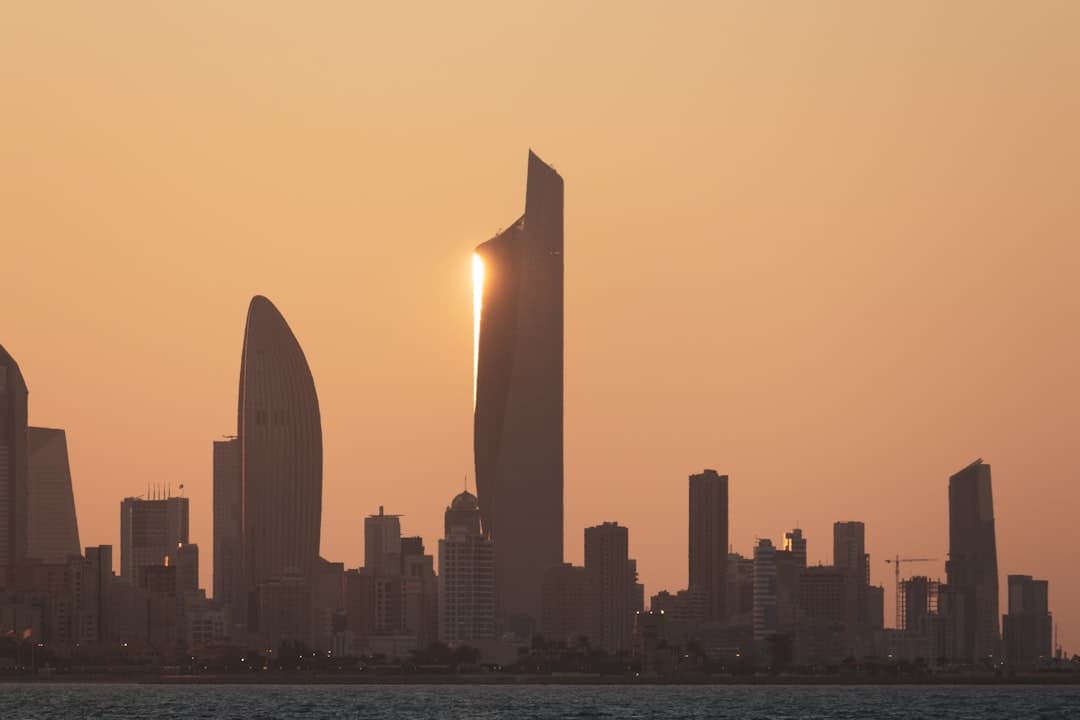
A fire erupted in Kuwait's Shuwaikh oil sector complex following a drone attack, according to Reuters reporting on April 5. The incident underscores how fragile global energy supplies have become five weeks into what OilPrice.com describes as Operation Epic Fury—the US-Israel air campaign against Iran that launched February 28.
The numbers tell a stark story. Brent crude is trading at $114 a barrel, the Strait of Hormuz is effectively closed to commercial traffic, and the International Energy Agency has called the disruption the largest supply shock in the history of the global oil market, according to OilPrice.com's April 4 analysis. Yet beneath the surface, financial analysts are watching a ticking clock. OilPrice.com warned on April 4 that "the coming weeks will reveal" whether markets remain functional or tip into chaos, noting that while oil remains elevated and LNG is tightening, freight rates are rising and insurers are repricing risk.
The geopolitical fallout is already reshaping trade patterns. India made its first Iranian oil purchase in seven years with no payment problems, Reuters reported on April 4—a significant shift that suggests sanctions enforcement is weakening amid the broader conflict. Meanwhile, the economic damage is spreading beyond energy markets. Senegal has banned government travel as the Iran war oil shock hits public finances, Reuters reported on April 4, illustrating how oil price spikes ripple through developing economies dependent on stable energy costs.
Europe's Energy Dilemma: Sanctions vs. Security
The crisis is forcing uncomfortable conversations in Europe. Slovakia's Prime Minister called for the EU to drop sanctions on Russian oil and gas to boost energy security, according to Reuters on April 4. The argument reflects a growing tension: as Middle Eastern supplies tighten and prices spike, some European leaders are questioning whether maintaining sanctions on Russian energy serves security interests or undermines them.
Taiwan, meanwhile, is taking a different approach. The island nation says it has assurances over LNG supplies from a "major" country, Reuters reported on April 4, suggesting it's securing alternative sources amid global supply uncertainty.
Markets Bracing for Impact
The stress on commodity markets is real. OilPrice.com noted on April 4 that while "oil is still elevated but not yet showing a disorderly pattern," the system remains fragile. LNG is tightening but still trading within conventional ranges, yet insurers are repricing risk and policymakers are signaling control—a delicate balance that could shift quickly.
Financial analysts have priced in current disruptions, but OilPrice.com warned that "the coming weeks will reveal which systems" can actually function under sustained pressure. The two-week window ahead could determine whether commodity markets absorb the shock or break under it.
The broader context matters too. According to OilPrice.com on April 4, China's military planners are watching Operation Epic Fury closely—not just for energy market implications, but for lessons about how global systems respond to sustained conflict in critical chokepoints.
For now, the energy world is in a holding pattern. Kuwait's fire, Iran's isolation, and Europe's sanctions debate are symptoms of a system under unprecedented strain. Whether it holds depends on decisions made in the coming weeks—and whether alternative supply sources can fill the void left by Middle Eastern disruption.
Reporting based on coverage from Reuters Business, OilPrice.com, and Bloomberg.