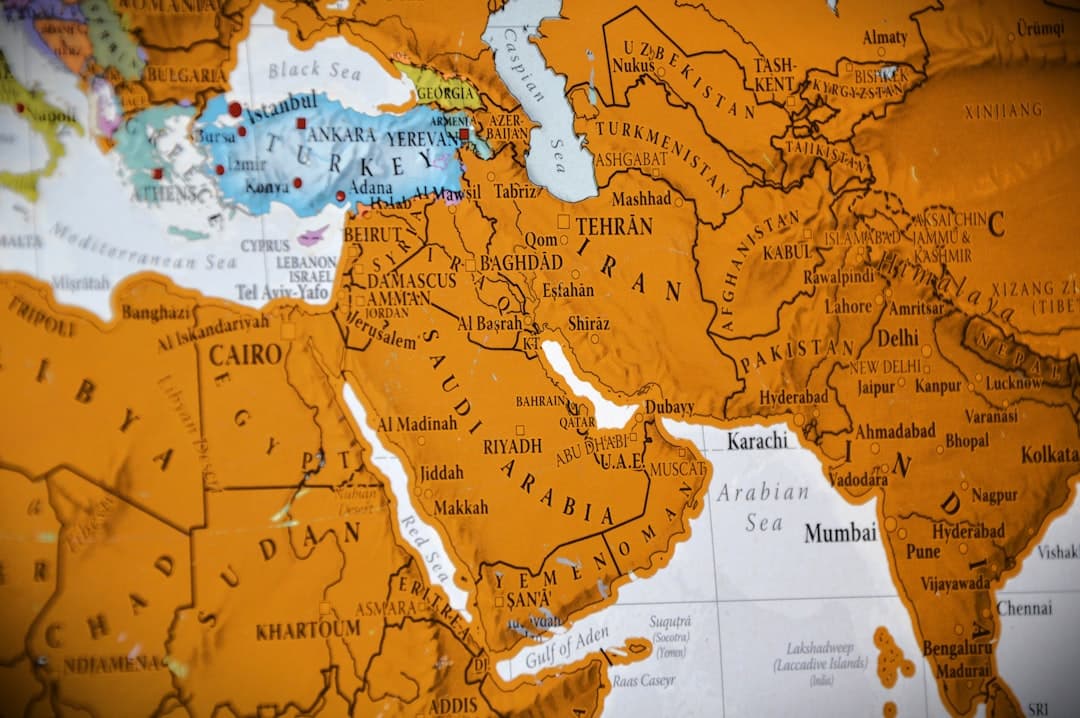
Five weeks into the escalating Middle East conflict, the global oil market is grappling with its most severe supply crisis in recent memory. According to OilPrice.com, the International Energy Agency has called the disruption "the largest supply disruption in the history of the global oil market," with Brent crude trading at $114 a barrel and the Strait of Hormuz effectively closed to commercial traffic as of April 4.
The fallout is immediate and widespread. Reuters reported on April 5 that Kuwait Petroleum Corp has reported damage at units following Iran drone attacks, while a fire broke out at Russia's NORSI oil refinery after a separate drone attack, according to the regional governor cited by Reuters. These infrastructure hits underscore how the conflict is translating directly into lost production capacity across multiple regions.
Yet amid the chaos, OPEC+ is preparing a measured response. Reuters reported on April 5 that OPEC+ has agreed in principle on a theoretical oil output hike, though the timing remains uncertain given what sources described to Reuters as "Iran war paralysis." The cartel appears to be positioning itself to boost production once the Strait of Hormuz reopens, suggesting policymakers expect the current blockade to be temporary—though no timeline has been specified.
The Broader Economic Toll
The conflict's ripple effects extend well beyond oil terminals and refineries. Saudi Arabia's non-oil business activity actually shrank in March amid the conflict, according to a purchasing managers' index reported by Reuters on April 5. This signals that even oil-producing nations with diversified economies are feeling the strain of regional instability, not just from direct attacks but from the broader economic uncertainty the conflict creates.
The geopolitical dimensions are not lost on major powers watching from afar. According to OilPrice.com's analysis published April 4, China's military planners are using Operation Epic Fury—the U.S.-Israel air campaign launched February 28—as "an unprecedented real-time window" into how modern military operations unfold. Beijing is studying not just the energy market implications but the broader strategic lessons, suggesting the conflict may reshape how major powers think about regional military capabilities.
Infrastructure Under Siege
The attacks on critical energy infrastructure highlight vulnerabilities that extend beyond the Middle East. Reuters reported on April 5 that explosives were found near a pipeline carrying Russian gas to Hungary, with both Serbia and Hungary confirming the discovery. While not directly related to the Middle East conflict, the timing underscores how energy infrastructure globally faces mounting security pressures from multiple directions.
Some commercial traffic is beginning to resume through contested waters. Reuters reported on April 5 that a Petronas-chartered tanker loaded with Iraqi crude passed through the Hormuz Strait, suggesting that selective shipments are moving despite the broader closure. This patchwork reopening may provide temporary relief to global markets, but the underlying instability remains.
The Longer Game
What makes OPEC+'s cautious posture particularly telling is the implicit acknowledgment that current conditions are unsustainable. By agreeing in principle to output increases contingent on the Strait of Hormuz reopening, the cartel is essentially betting that diplomatic or military developments will eventually restore normal shipping lanes. But as Reuters noted, the "Iran war paralysis" suggests no clear resolution is in sight.
For energy markets and the global economy, the next few weeks will be critical. The current supply disruption is already historic by the International Energy Agency's measure. Whether it remains contained or escalates further will depend on developments that energy markets can only partially predict—and that OPEC+ is clearly hoping to manage through coordinated production policy once conditions stabilize.
Reporting based on coverage from Reuters, OilPrice.com, and the International Energy Agency.