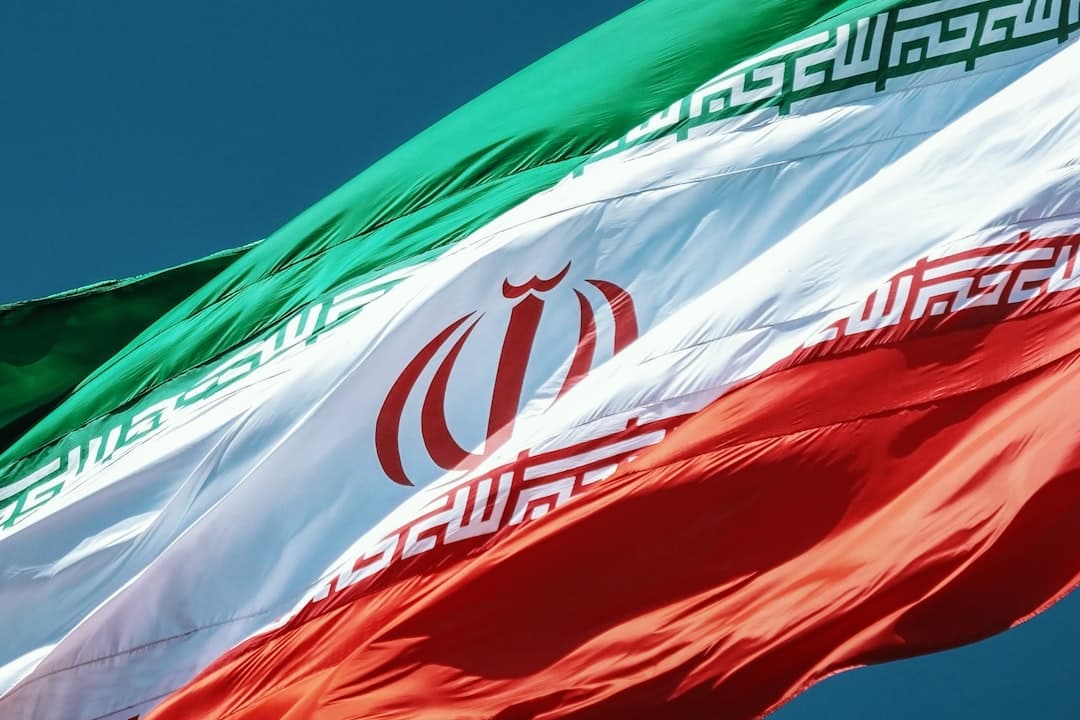
Oil markets are in turmoil. According to Reuters, US crude jumped more than 11% and Brent crude nearly 8% after Trump vowed more attacks on Iran, sending shockwaves through global energy markets and exposing the fragility of supply chains already under stress.
The price surge reflects genuine supply concerns. Reuters reported that Russian oil terminals under attack have been unable to accept shipments for a second week, creating bottlenecks in one of the world's largest oil-producing regions. Meanwhile, the geopolitical instability is forcing governments to make difficult choices about spending priorities—Reuters noted that Senegal has banned government travel as the Iran war oil shock hits public finances.
But there are signs of adaptation emerging in the market. India made its first Iranian oil purchase in seven years with no payment problems, according to Reuters, suggesting that despite international tensions, trade channels remain functional for countries willing to navigate the complexity.
Nigerian Operations Resume as Strike Ends
On a brighter note for supply stability, Reuters reported that Nigeria's Seplat Energy has resumed operations after oil workers halted strike action. The development provides some relief to markets already jittery about production losses, though the broader geopolitical backdrop remains uncertain.
These supply-side pressures are playing out against a backdrop of broader economic resilience. Reuters reported that the US labor market posted its largest jobs gain in 15 months, which could support continued energy demand even as prices climb. However, that same Reuters report noted that clouds are brewing from the Iran war, suggesting economic headwinds could emerge if the conflict escalates further.
The convergence of supply disruptions, geopolitical risk, and labor market strength is creating an unusually volatile environment for energy traders and consumers alike. Prices that spike on military action could face downward pressure if economic growth slows—a dynamic that will likely define energy markets in the weeks ahead.
Reporting based on coverage from Reuters and TradingView.