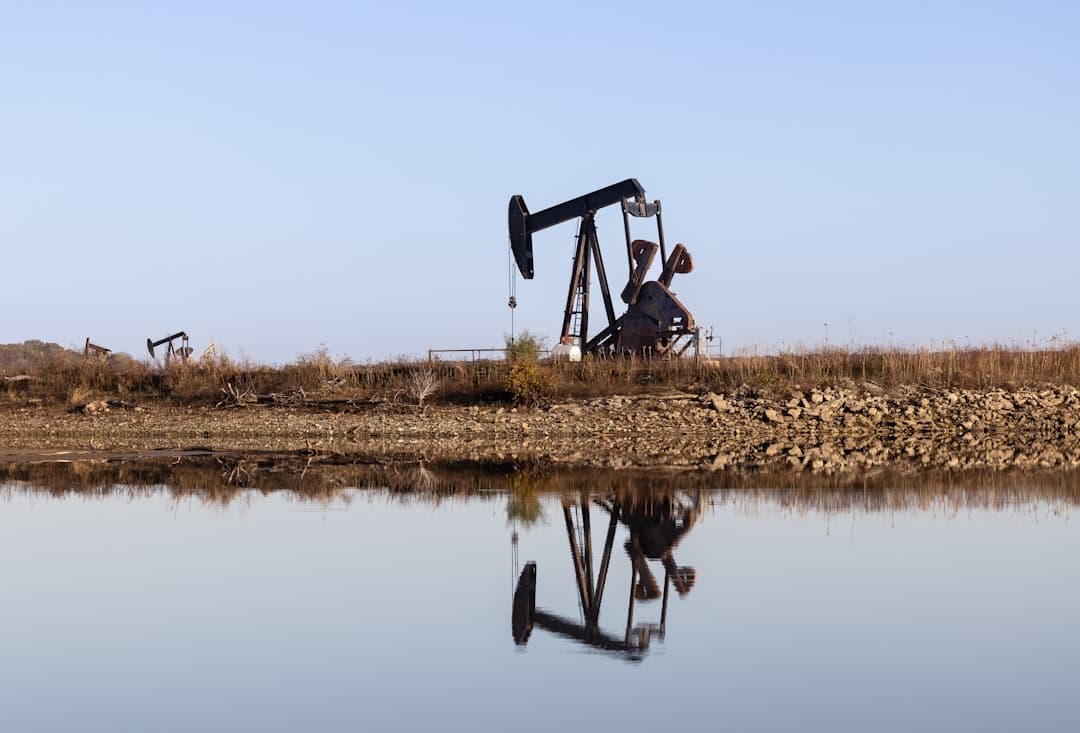
May WTI crude oil surged to $111.54 this week, up $11.90 or 11.94%, according to OilPrice.com reporting on the holiday-shortened trading week ending April 3. The sharp rally reflects a fundamental shift in how traders are pricing energy risk—moving beyond speculation to what they see as real supply disruption unfolding across multiple chokepoints simultaneously.
The dominant driver behind this breakout is geopolitical escalation combined with growing concerns about global oil infrastructure security, according to OilPrice.com. A Trump address signaling possible escalation of Iran conflict has raised the prospect of a prolonged closure of the Strait of Hormuz, the critical waterway through which roughly one-third of global seaborne oil passes. That single threat has been enough to force rapid repricing across the entire energy complex, with volatility spiking as headlines intensified into the close.
The real-world impact is already visible in refined product markets, where the squeeze is far more acute than crude itself. European diesel futures have surged to the equivalent of $211 a barrel—almost double the price of crude oil—according to Financial Times reporting. The scarcity of diesel cargoes has become so severe that UK motorists face £2 per liter diesel prices within days, the FT reported on April 3.
Airlines Ground Flights as Jet Fuel Prices Double
The aviation sector is absorbing the shock in real time. Soaring jet fuel prices have hit airline profitability so hard that carriers have started raising air fares and grounding flights to contain fallout from the Iran war, which has more than doubled aviation fuel prices over the past month, according to OilPrice.com. The problem is structural: oil and jet fuel supplies are constrained as crude and petroleum products remain trapped at the Strait of Hormuz, forcing Asian refiners to cut run rates and Asian countries to restrict or ban exports to preserve domestic supply.
Canada's synthetic crude has become a bright spot for refiners seeking diesel-rich barrels. The price of Canada's synthetic crude has surged nearly 200% since March 27 as the Middle East war cripples global diesel supply, OilPrice.com reported. The synthetic crude from Alberta's oil sands is particularly valuable because its low sulfur content and chemical composition make it highly suitable for processing into jet fuel and diesel—precisely the products facing the worst disruption.
Europe Prepares for Extended Energy Crisis
The European Union is bracing for a prolonged energy shock. The EU's energy commissioner Dan Jørgensen told the Financial Times that "this will be a long crisis" and that "energy prices will be higher for a very long time." He warned that with some "critical" products, the situation was about to become "even worse in the weeks to come." According to OilPrice.com, the EU is assessing fuel rationing and releasing more oil from strategic reserves to manage the tightening supply picture.
Meanwhile, geopolitical fractures are reshaping crude flows. A sanctioned tanker carrying Iranian crude that had signaled it was headed to India's Vadinar port abruptly changed course to China instead, according to OilPrice.com reporting on April 3. The move suggests India would not be imminently importing its first crude from Iran in seven years, despite earlier indications of a deal.
Supply disruptions extend beyond the Middle East. Libya's Sharara pipeline was hit in the country's southwest, according to OilPrice.com, in territory where control is fragmented between competing authorities and local militias. The attack underscores how multiple supply shocks—geopolitical escalation, infrastructure attacks, and shipping constraints—are converging to create what traders now view as a genuine supply crisis rather than temporary volatility.
The labor market showed resilience amid the turmoil, with the U.S. adding 178,000 jobs in March and the unemployment rate falling to 4.3%, according to MarketWatch reporting. However, the article noted this hiring boomlet is unlikely to last given the economy's exposure to energy price shocks.
Reporting based on coverage from Reuters, Financial Times, OilPrice.com, and MarketWatch.