The clean energy transition is hitting a critical inflection point—not in solar panels or wind turbines, but in the unglamorous supply chains that make them possible. While global energy markets remain fixated on the Strait of Hormuz crisis, a quieter but potentially more consequential story is unfolding in the race to secure the materials and infrastructure that renewable energy depends on.
REalloys, a Pentagon-linked rare earth company, just signed a memorandum of understanding that underscores the urgency. According to OilPrice.com, the company has secured access to up to 10% of production from the Sheep Creek project in Montana, one of the highest-grade rare earth deposits in the United States. The timing is critical: REalloys has just nine months before U.S. defense rules force the removal of Chinese material from the supply chain. The agreement gives the company confirmed access to dysprosium, terbium, yttrium, and NdPr—rare earth elements essential for wind turbines and other clean energy technologies.
This move reflects a broader recognition that renewable energy infrastructure requires secure, domestic sources of critical minerals. The geopolitical tensions currently roiling oil markets have made supply chain resilience impossible to ignore.
Mining Goes Electric
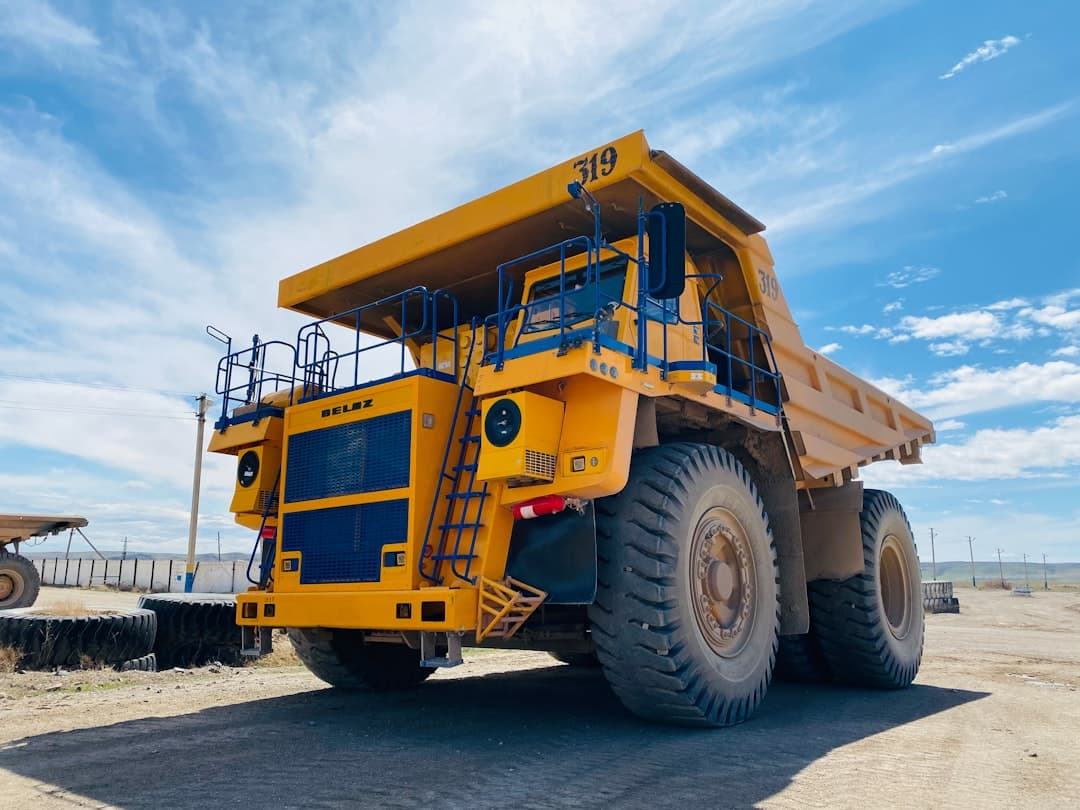
Meanwhile, on the operational side of mining—the sector that extracts these materials—operators are making their own push toward decarbonization. Codelco, Chile's state-owned copper mining company, and SANY, a Chinese mining equipment manufacturer, conducted a successful pilot of a 100% electric transport truck on a strategic northern route, according to International Mining. The truck carried a 27-ton load of copper across a 680-kilometer round trip between Codelco's Radomiro Tomic Division and Angamos Port as part of an electromobility pilot program aimed at advancing low-emission mining logistics.
The significance here extends beyond a single successful test drive. Mining logistics represent a substantial portion of the sector's carbon footprint, and electrifying these operations could meaningfully reduce emissions while simultaneously demonstrating that heavy-duty electric vehicles can handle demanding industrial applications. For a company like Codelco, which supplies copper used in renewable energy systems, the move signals that the entire value chain—from extraction to transport to final product—is being reimagined around clean energy principles.
Why This Matters Now
The convergence of these developments is not coincidental. The current energy crisis, triggered by geopolitical tensions in the Middle East, has exposed how dependent global supply chains remain on unstable chokepoints. According to OilPrice.com, the Strait of Hormuz closure is preventing the passage of around a fifth of the world's oil supply, creating ripple effects across fertilizer, plastics, semiconductors, and consumer goods.
For renewable energy advocates, the lesson is clear: building a clean energy future requires more than deploying solar panels and wind turbines. It requires securing the rare earth elements that make those technologies function, establishing domestic supply chains that don't depend on geopolitical hotspots, and ensuring that the mining and logistics operations supporting the transition don't simply replicate the carbon-intensive practices of the fossil fuel era.
The Sheep Creek deal and the Codelco electric truck pilot represent two sides of the same coin—a recognition that clean energy infrastructure demands clean supply chains. As Reuters reported on Spanish wind industry concerns about EU windfall taxes potentially hurting investment, and as Bloomberg noted that Chinese turbine suppliers are seizing the spotlight as global wind installations hit all-time highs, the pressure to build resilient, domestic renewable supply chains has never been more acute.
These aren't the flashy headlines that dominate energy news cycles. But for investors and policymakers serious about the energy transition, they may matter more than the daily gyrations in oil prices.
Reporting based on coverage from OilPrice.com, International Mining, Reuters, and Bloomberg.