Monday, April 20, 2026Vol. III · No. 110Subscribe

Energy Standard

Industry Intelligence for the Energy Transition
Markets · Analysis

Energy Markets Whipsaw as Middle East Crisis Reshapes Supply Dynamics

Oil prices hold near $100 per barrel while natural gas weakens as geopolitical tensions ease, but critical chokepoints remain disrupted.

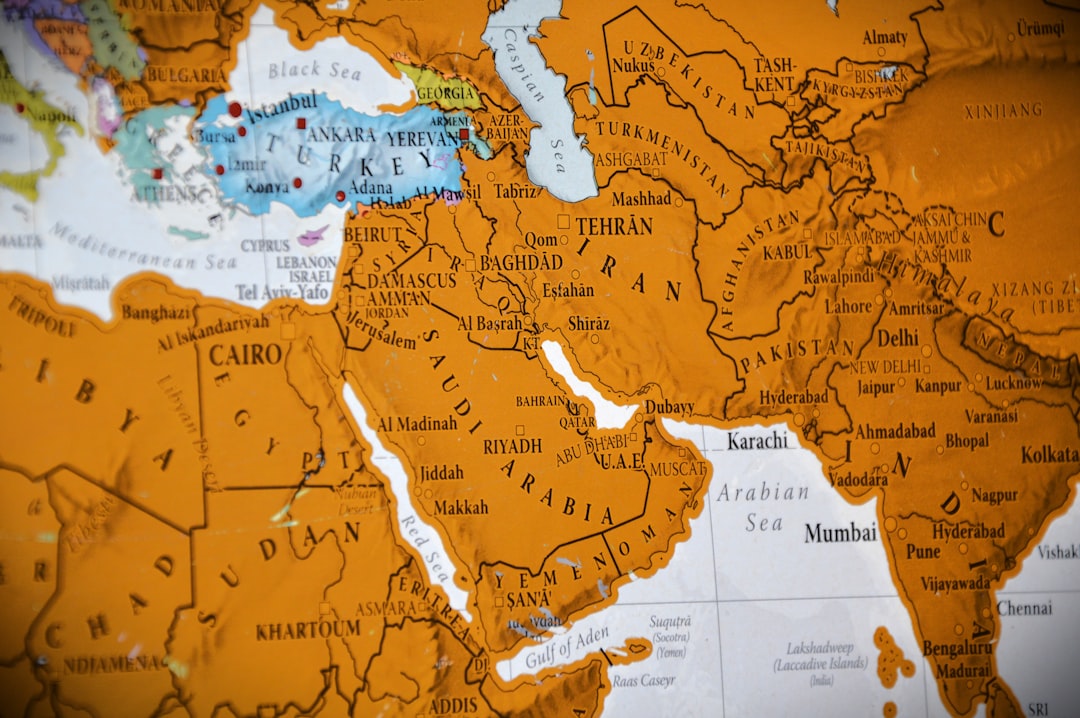
PhotographOil prices hold near $100 per barrel while natural gas weakens as geopolitical tensions ease, but critical chokepoints remain disrupted.

The energy markets are sending mixed signals this week as traders grapple with the fallout from Middle East tensions and their impact on global supply chains. According to OilPrice.com, oil prices remain close to $100 per barrel despite the U.S.-Iran ceasefire, which initially revived hopes that supply disruptions could begin to ease. But the reality on the ground tells a different story.

The Strait of Hormuz, that vital chokepoint for oil and liquefied natural gas, remains largely closed with traffic controlled at Iran's discretion, according to OilPrice.com. This constraint is keeping oil prices elevated even as immediate escalation risks have diminished. The war premium hasn't fully evaporated—it's simply shifted from fear of further conflict to concern about sustained supply disruptions.

Meanwhile, natural gas markets are moving in the opposite direction. According to Natural Gas Intel, natural gas futures gave up ground on Friday as market participants looked beyond Iran war risks and concentrated on healthy domestic supply and rapidly diffusing heating demand. The weakness was particularly pronounced in the Northeast, where Natural Gas Intel reported that forward prices slid during the April 1-8 trading period as easing global tensions and bearish shoulder season demand pressured markets, with the steepest declines centered on premium Northeast winter strips.

The Middle East's Production Hit

The geopolitical situation has left real scars on regional energy infrastructure. According to the Financial Times, Saudi Arabia and Qatar have both suffered significant damage to production capacity during the U.S.-Israeli war against Iran. This damage helps explain why oil prices aren't collapsing despite the ceasefire—the supply disruptions are tangible and ongoing, not merely theoretical.

The U.S. government is taking steps to manage the shock. According to Reuters, the U.S. is likely to extend a Russian oil waiver to temper the Iran war shock. Additionally, Reuters reported that the U.S. loaned 8.5 million barrels of Strategic Petroleum Reserve oil in a second batch since the Iran war began, signaling official concern about supply tightness.


Natural Gas Weakness Deepens

The natural gas story is more straightforward: supply is abundant and demand is weakening. According to Natural Gas Intel, cash prices for the Saturday-Monday package trended further lower on Friday as weather grew milder and demand dissolved. This represents the third straight day of declines for cash natural gas, suggesting the market has moved decisively away from war-related supply concerns toward fundamental oversupply conditions.

The divergence between oil and natural gas reflects their different market dynamics. Oil faces genuine supply constraints from Middle East disruptions that won't resolve quickly. Natural gas, by contrast, benefits from robust domestic production and seasonal demand patterns that are now working against prices as spring arrives.

What's Next

The energy markets are essentially pricing in two competing scenarios: sustained oil supply tightness from Middle East damage, and abundant natural gas supply with weakening seasonal demand. According to Reuters, analysts are already debating whether the Iran war shock will flip markets to a deficit in 2026, suggesting longer-term supply concerns persist despite the ceasefire.

For now, traders are watching the Strait of Hormuz closely. Any reopening of that critical waterway could trigger sharp oil price declines, while continued closure supports the current elevated price environment. Natural gas, meanwhile, appears to have moved past geopolitical concerns entirely, with market participants focused on the fundamentals of supply and demand as the shoulder season progresses.


Reporting based on coverage from OilPrice.com, Natural Gas Intel, Financial Times Energy, and Reuters Business.

Coverage aggregated and synthesized from leading energy-sector publications. See linked sources within the article.

Share this story

Was this article helpful?

Discussion

Not published • Used for Gravatar

0/2000 characters

Loading comments...

ClaimWatch

Mining claims intelligence — from query to map, in minutes.

Every unpatented mining claim across eleven western states. Due diligence, prospecting, and monitoring delivered as complete reports with publication-ready ArcGIS maps.

4.4M+
Claims Tracked
11
Western States
3
Report Types
Request a Sample Report
Energy Standard AM

One morning brief. The whole energy sector.

Original analysis, the day's most important wire stories, and market data — delivered before your first cup of coffee. Free.